
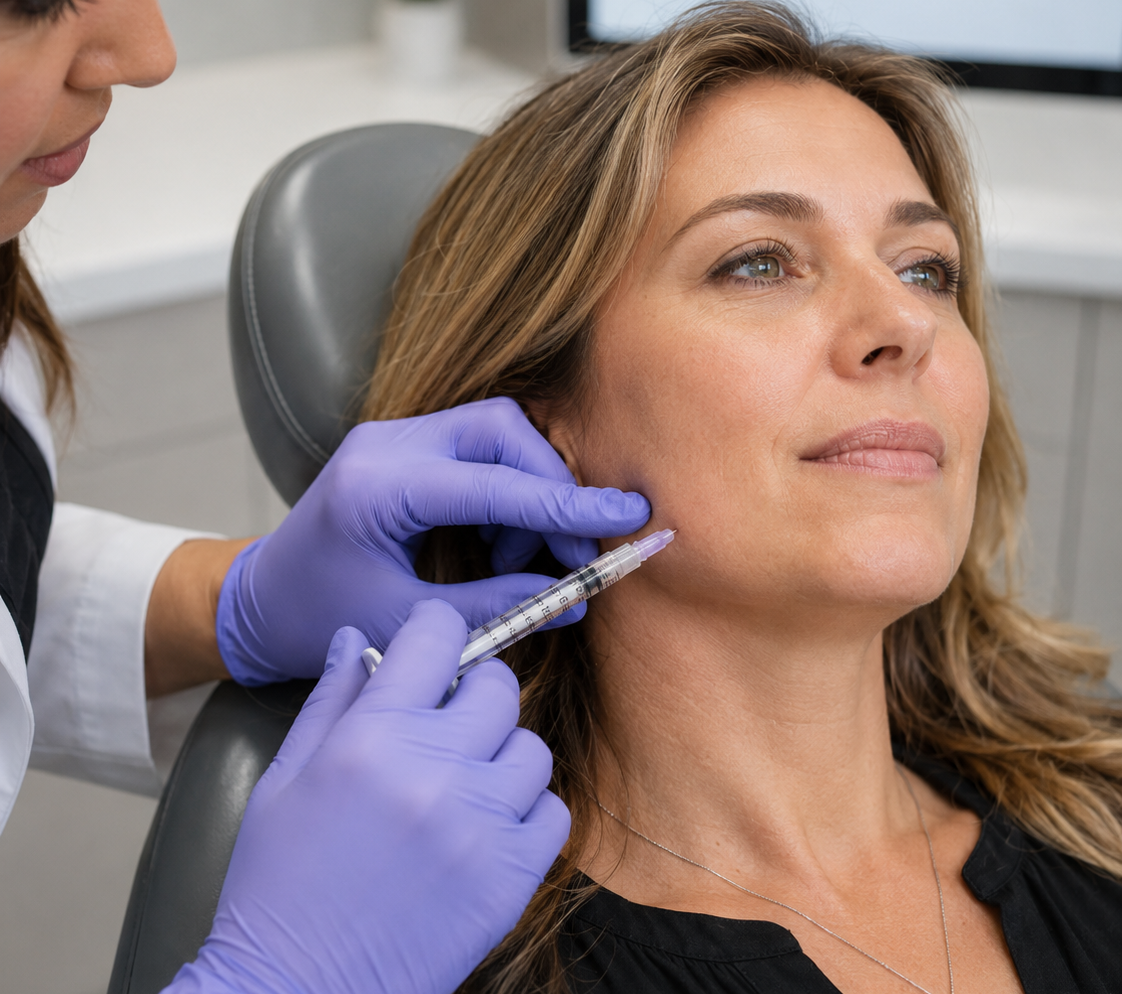
Botox for TMJ in Milton may help patients with TMJ disorder, jaw clenching, bruxism, masseter muscle tension, chronic facial pain, tension headaches, and migraine-related muscular tension. At White Dove Dental, suitability is assessed through a TMJ functional evaluation, bite analysis, muscle palpation, medical history review, and symptom assessment before any treatment is recommended.
Many patients do not realize that jaw muscle tension can contribute to symptoms far beyond the jaw itself, including persistent facial soreness, frequent headaches, and discomfort when chewing or opening the mouth. If you are struggling with chronic jaw pain or teeth grinding, Botox for TMJ in Milton may offer a therapeutic path to relief.
What Is Botox for TMJ?
To understand how therapeutic Botox for TMJ works, it is helpful to clarify the terminology. "TMJ" refers to the temporomandibular joint itself, the hinge that connects your jaw to your skull. "TMD" (temporomandibular disorders) refers to the various conditions affecting this joint and its surrounding facial muscles.
Botox for TMJ is a therapeutic neuromodulator treatment that may help reduce the overactive jaw muscle activity linked to TMJ disorder, jaw clenching, bruxism, facial pain, and muscle-related tension. By temporarily relaxing the specific muscles responsible for this intense, involuntary movement, Botox injections for TMJ pain can significantly ease the physical strain placed on your jaw joint and surrounding tissues. At White Dove Dental, we view this treatment not as a one-size-fits-all cure, but as a highly targeted component of a comprehensive professional assessment.
Who May Benefit From Botox for TMJ in Milton?
When patients seek TMJ pain treatment Milton, they often present with a wide variety of interconnected symptoms. Therapeutic Botox for TMJ is not just for jaw pain; it addresses the muscular hyperactivity driving the discomfort.
You may be assessed for therapeutic Botox Milton if you experience:
- TMJ disorder / TMD: General dysfunction and pain in the jaw joint and surrounding areas.
- Jaw clenching / bruxism: Involuntary tightening or grinding of the teeth, often during sleep or periods of stress.
- Masseter muscle hypertrophy: Enlargement or severe tension in the primary chewing muscles at the angle of the jaw.
- Tension headaches: Chronic headaches radiating from the temples or forehead, driven by muscle strain.
- Chronic facial pain: Persistent, dull aches across the cheeks and lower face.
- Migraine-related muscular tension: Muscle tightness that triggers or exacerbates migraine patterns.
How Does White Dove Dental Decide If Botox Is Appropriate?
Before recommending Botox for TMD or any neuromodulator therapy, our team conducts a rigorous clinical evaluation. We do not provide therapeutic Botox without first understanding the root cause of your discomfort.
To determine if dentist Botox for TMJ is biologically appropriate for your symptoms, our diagnostic process includes:
- TMJ functional evaluation: Checking the range of motion, clicking, popping, and joint mechanics.
- Bite analysis: Assessing how your teeth come together during a routine Dental Exam.
- Palpation of jaw muscles: Physically feeling the masseter and temporalis muscles for active tension, knots, or hypertrophy.
- Medical history review: Ensuring there are no contraindications to neuromodulator treatment.
- Pain pattern and symptom assessment: Mapping out exactly when and where your pain occurs.
Where Is Botox Injected for TMJ Relief?
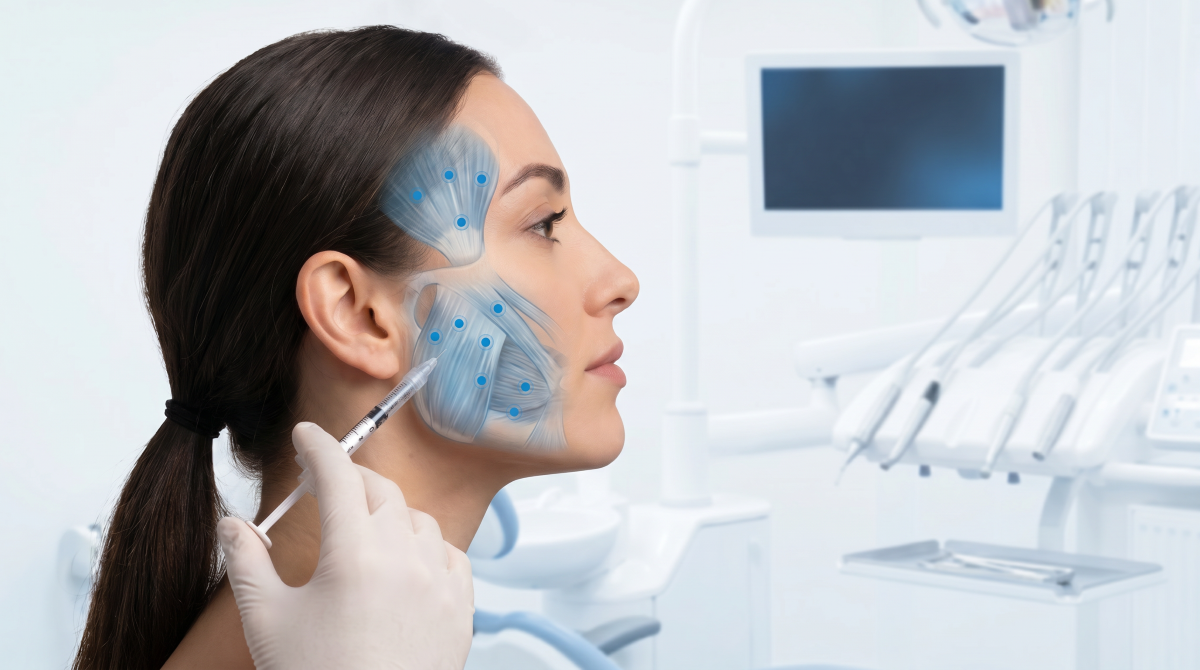
For therapeutic relief, masseter Botox for TMJ is the most common approach, but your specific pain patterns dictate the treatment plan. Following a careful assessment, Botox for TMJ may be placed in the following targeted areas:
| Injection Area | Why It May Be Considered |
|---|---|
| Masseter muscles | Located at the jaw angle, these are the primary chewing muscles and are heavily involved in jaw clenching and bruxism. |
| Temporalis muscles | Located at the sides of the head, tension here frequently contributes to jaw strain and temple discomfort. |
| Frontal / forehead muscles | May be carefully considered when tension headaches and migraine-related muscular tension are a core part of the patient's concern. |
What Should Patients Expect After Botox for TMJ?
Setting realistic expectations is a critical part of care. Botox for jaw pain is not an instant cure, as the neuromodulator requires time to interact with the muscle pathways.
Based on White Dove Dental's clinical protocols, here is a general timeline of what you may expect:
| Stage | What Patients May Expect |
|---|---|
| First few days | Initial muscle relaxation and symptom relief may gently begin. |
| 1-2 weeks | The full therapeutic effect is typically expected to develop. |
| Every 3-4 months | Follow-up assessments and repeat treatments may be recommended to maintain relief. |
Botox for TMJ vs Night Guard: What's the Difference?
Patients exploring bruxism treatment Milton or jaw clenching treatment Milton often wonder whether they need Botox, a night guard, or both.
- Botox for TMJ: The main purpose is to physically relax overactive jaw muscles. It is best for managing jaw clenching, bruxism, masseter tension, and muscle-related facial pain at the source.
- Night Guard: A custom appliance whose main purpose is to protect the teeth and restorations from physical damage. It is best for preventing tooth wear and morning jaw soreness caused by grinding.
- Combined Care Plan: Many patients benefit from both. While Occlusal & Night Guards protect the teeth from physical damage, Botox for TMJ actively reduces the muscular force behind the grinding.
If heavy clenching has already damaged your teeth, restorative care like Crowns and Bridges may also be discussed.
Is Botox for TMJ Safe?
Patient safety is a priority at White Dove Dental. Botox for TMJ should only be considered after a thorough clinical assessment, including a review of your medical history, jaw function, bite, symptoms, pain patterns, and areas of muscle tenderness.
At White Dove Dental, TMJ Botox in Milton is administered by Dr. Hyam Karam, a dentist certified in therapeutic neuromodulator use. Treatment is recommended only when it is appropriate for your symptoms, health history, and jaw-related concerns.
Because TMJ-related discomfort can have different causes, Botox is not the right option for every patient. Your dentist may first assess your jaw muscles, bite, TMJ function, and symptom pattern before determining whether therapeutic Botox is suitable for concerns such as TMJ disorder, jaw clenching, bruxism, masseter muscle concerns, tension headaches, chronic facial pain, or migraine-related muscular tension.
When Should You Book a Botox for TMJ Consultation in Milton?
Living with chronic facial pain can be exhausting. You should consider booking a consultation for Botox for TMJ in Milton if you experience any of the following patient triggers:
- Persistent jaw soreness or stiffness in the morning.
- Unconscious clenching during the day, especially during periods of stress.
- Nighttime teeth grinding (often noticed by a partner).
- Facial muscle fatigue after eating or speaking.
- Radiating temple tension or Botox for tension headaches candidacy.
- Chronic jaw discomfort that limits your daily quality of life.
If your jaw pain is sudden, accompanied by severe toothaches, swelling, or trauma, please contact us immediately for a Dental Emergency assessment. Additionally, if bite misalignment is contributing to your TMJ strain, an orthodontic evaluation for Invisalign may be recommended alongside maintaining your routine Dental Hygiene.
FAQs About Botox for TMJ
Take the First Step Toward TMJ Muscle Relief
If jaw clenching, bruxism, or TMJ-related muscle tension is affecting your comfort, White Dove Dental in Milton can assess whether therapeutic Botox may be appropriate for your symptoms. Your visit includes a careful review of jaw function, bite, muscle tenderness, medical history, and pain patterns before any recommendation is made.
- Personalized TMJ assessment based on your symptoms and jaw function.
- Therapeutic care from Dr. Hyam Karam, a dentist certified in therapeutic neuromodulator use.
Use the booking buttons on the page to request your preferred appointment time.